How to Identify Deteriorated Bearing Grease: Warning Signs and Inspection Methods
Aging or contaminated grease can compromise bearing lubrication and protection. Visual inspection, consistency checks, contaminant assessment, and laboratory analysis help evaluate grease condition and guide maintenance decisions.
Common Signs of Deteriorated Bearing Grease
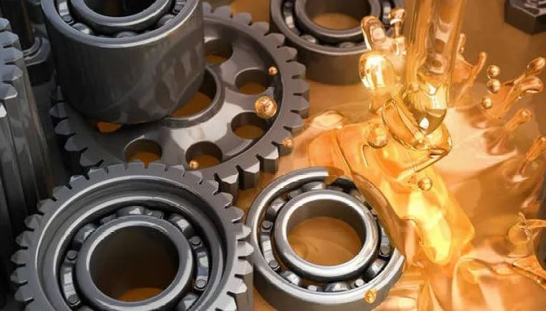
During service, bearing grease is affected by temperature, mechanical shear, oxidation, and contamination. These factors can change its consistency and lubrication performance. When grease can no longer maintain an effective lubricating film, bearings may experience higher temperatures, increased noise, or accelerated wear. Replacement decisions should consider operating conditions, maintenance history, and inspection results rather than color alone.
Inspection Methods
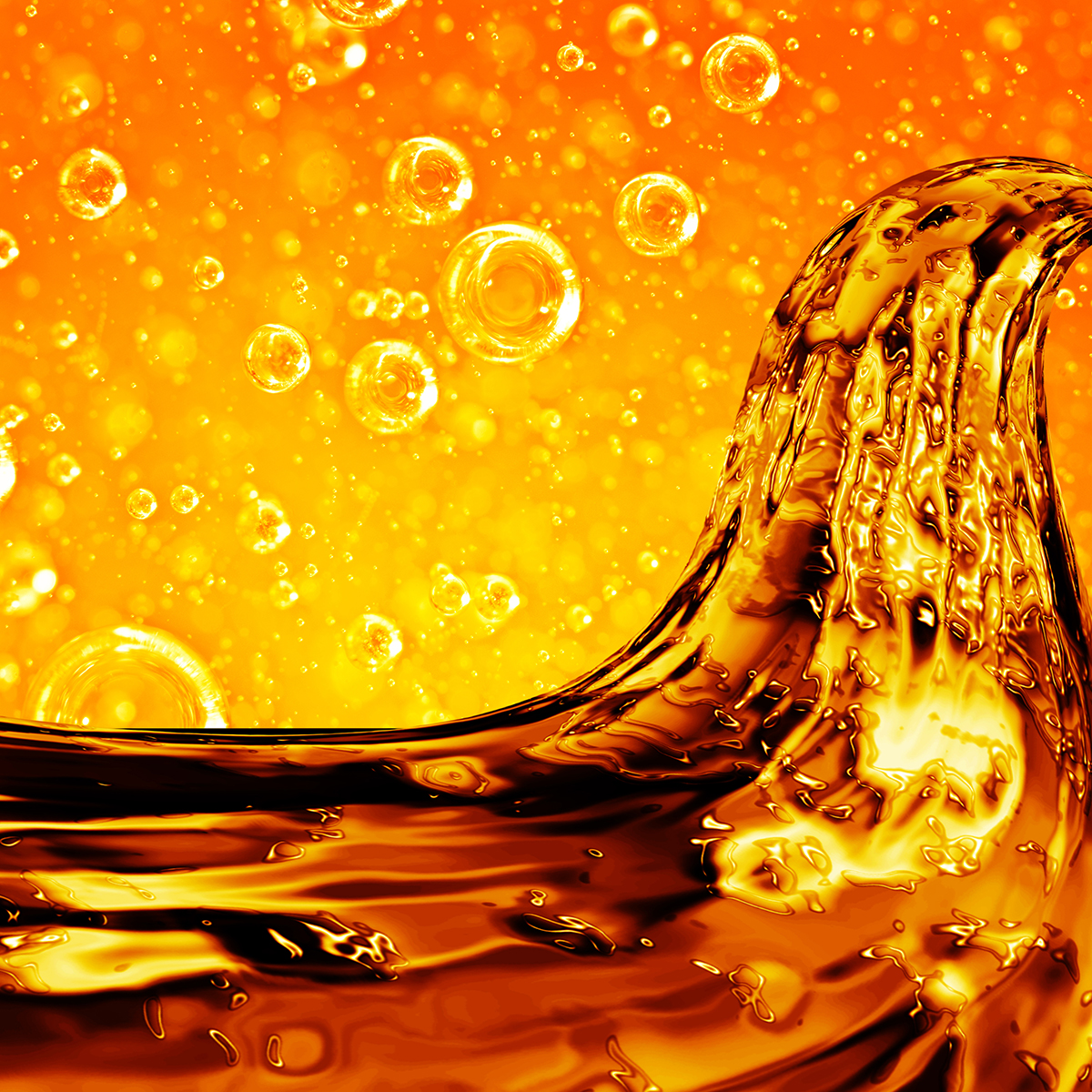
Check appearance and odor: Look for unusual discoloration, hardening, lumps, or signs of charring. Check for water, rust, and foreign material. Color change alone does not prove that grease has failed.
Compare consistency and texture: Using clean tools, compare a sample with unused grease of the same type. Unusual softening, hardening, oil separation, or a gritty texture may indicate aging, contamination, or incompatible grease mixing. Avoid direct skin contact with unknown or contaminated samples.
Inspect for contaminants: Look for dust, metallic wear particles, and water. Microscopic inspection or professional testing may be needed to assess particle contamination, moisture, and wear debris.
Consider operating symptoms: Rising bearing temperature, abnormal noise, and vibration can be associated with inadequate lubrication, contamination, or bearing damage. Further inspection is needed to identify the cause.
Use condition analysis: For critical equipment, grease analysis can assess consistency changes, contamination, moisture, and oxidation indicators. Compare results with unused grease or historical data where available.
Replacement and Maintenance Considerations
If grease shows significant contamination, abnormal consistency changes, charring, or inadequate lubrication performance, evaluate replacement according to the equipment maintenance procedure and investigate the source of contamination. Clean grease fittings before relubrication, use the specified grease, and avoid mixing products without confirming compatibility. Grease quantity and relubrication intervals depend on bearing design, speed, load, temperature, and sealing conditions. Overgreasing can also cause churning and excessive heat.