Why Food-Grade Lubricants Matter in Food Processing Equipment ?
Food-grade lubricants must provide reliable equipment lubrication while helping control food contamination risks. Understanding their formulations, H1/H2 classifications, storage, application, and maintenance practices supports equipment reliability and food safety management.
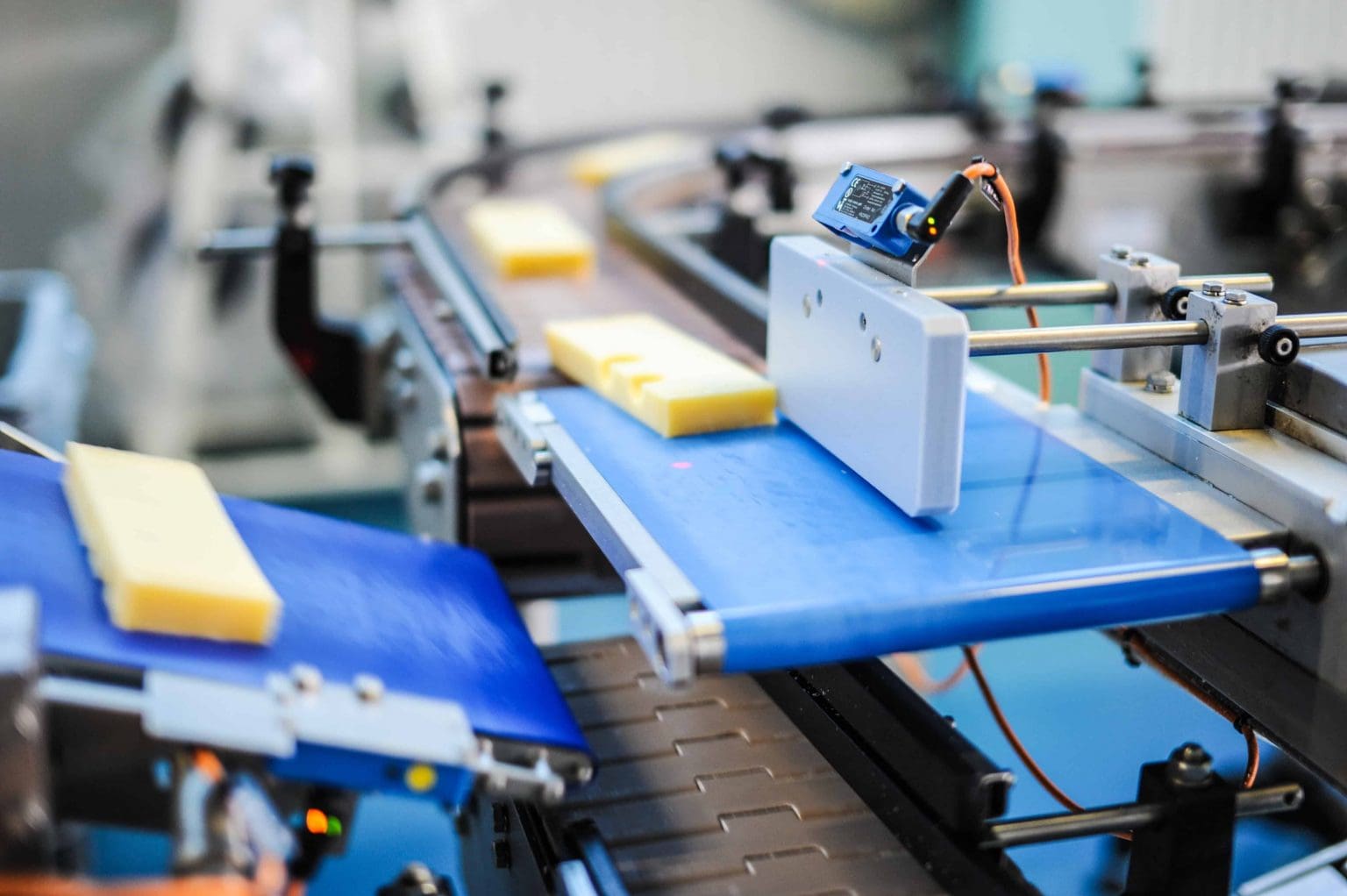
Food-processing equipment relies on lubrication for bearings, gears, chains, hydraulic systems, and conveyors. If lubricant leaks, drips, or reaches food through equipment components, it may create a chemical contamination risk. Lubricant selection should therefore reflect the location of each lubrication point, the likelihood of food contact, and equipment requirements.
Composition and Performance
Food-grade lubricants generally contain base oils and additives. Depending on the application, base oils may include refined mineral oils or synthetic oils. Additives can improve properties such as wear protection, oxidation stability, rust prevention, and foam control. Formulation alone does not establish food-grade status; the intended use and applicable requirements must also be verified.
Common Categories and Applications
Under NSF classifications, H1 lubricants are intended for applications where incidental food contact may occur during normal operation. H2 lubricants are for equipment locations where food contact can be completely excluded. H3 products are generally used for specific corrosion-protection applications. Where direct and continuous food contact is required, verify that the lubricant is suitable for that intended use. H1 does not mean a lubricant can be freely added to food.
Best Practices for Use
Verify product registration and equipment requirements before use. Consider operating temperature, load, speed, water exposure, and cleanliness requirements when selecting a lubricant. Store containers sealed in a clean, dry area and label them clearly. Use dedicated, identified application tools and apply only the specified amount to prevent both excess leakage and insuffici ent lubrication. Reseal containers after use and record lubricant consumption and maintenance activities.
Ordinary cooking oils are not substitutes for purpose-designed food-grade lubricants because their oxidation stability, wear protection, and long-term performance may be unsuitable for machinery. Proper selection, dedicated tools, controlled application, andmaintenance records help reduce contamination risks and support reliable equipment operation.